
Why Gaps in Your Smile Can Lead to Bigger Dental Issues
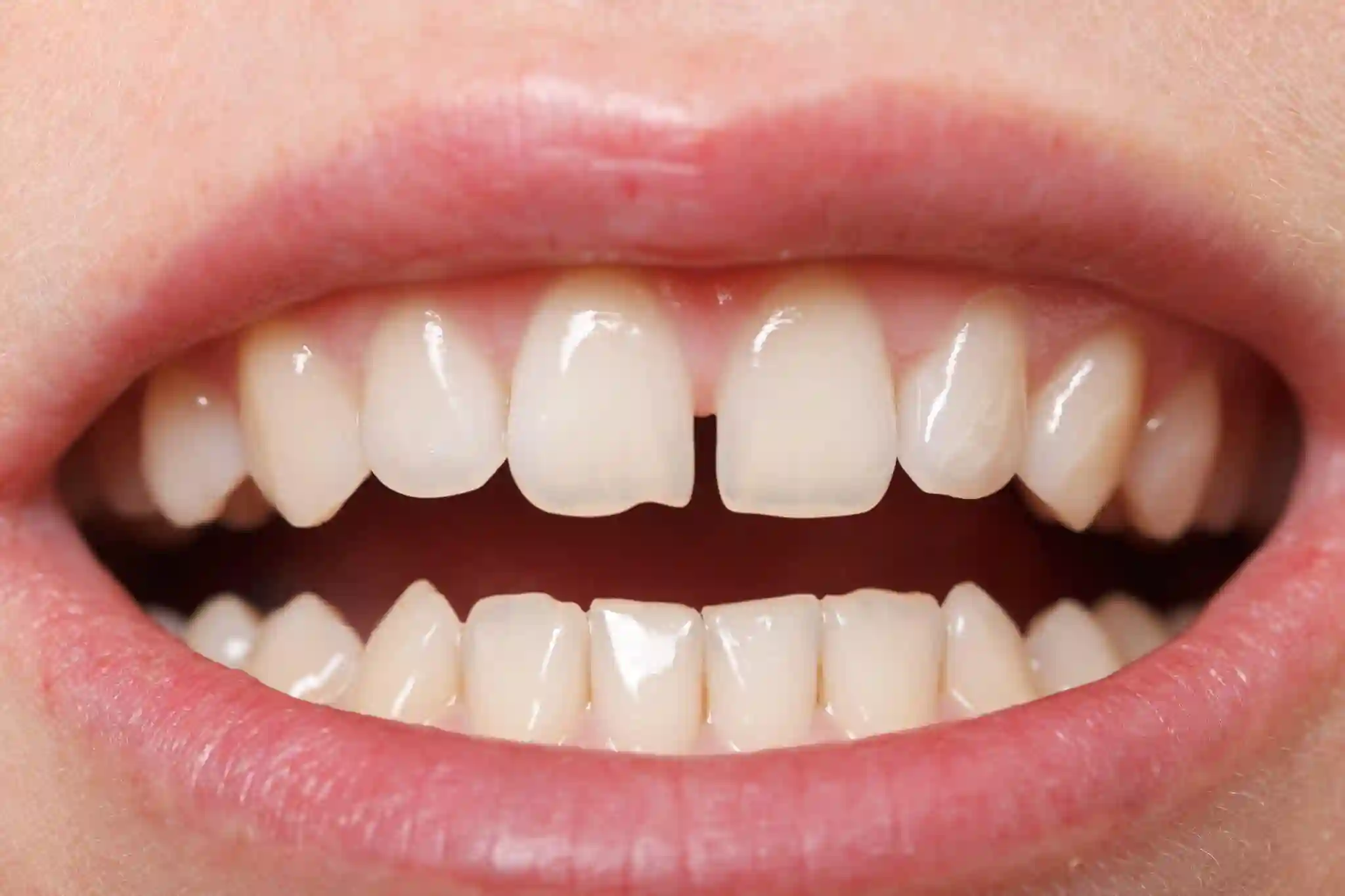
A small gap in your smile might seem like only a cosmetic concern, but it can actually signal deeper oral health problems. Many patients don’t realize that gaps between teeth—also known as diastema—can affect everything from how you chew to how your gums and teeth function over time. When left untreated, gaps in your teeth can create long-term complications that impact your dental health, comfort, and confidence.
At Vista Family Dentistry, patients often ask whether a gap between your teeth is something that needs treatment. The truth is that gaps can lead to plaque buildup, gum disease, bite problems, and even tooth movement. In many cases, addressing gaps early with solutions like dental bonding, veneers, or even restorative options such as dental bridges waukesha wi helps prevent more serious dental health issues. Understanding why gaps can cause problems is the first step toward protecting your smile and maintaining long-term oral hygiene.
Understanding Gaps Between Teeth (Diastema)
Gaps in teeth are commonly referred to as diastema, a condition characterized by spaces between the teeth. These spaces between your teeth may occur anywhere in the mouth, but they’re most noticeable between the front teeth. While some people naturally have spacing due to genetics or small teeth, others develop gaps caused by missing teeth, gum disease, or misaligned teeth.
Common causes of gaps include:
- Missing teeth that allow adjacent teeth to drift
- Small teeth compared to jaw size
- Tongue between your teeth pushing teeth apart
- Gum disease damaging bone and gum support
- Teeth to move due to bite pressure
- Habits during childhood like thumb sucking
- Baby teeth that lead to gaps later in life
These factors create gaps that can widen over time. When teeth may shift, nearby teeth often begin to move teeth out of alignment, leading to bite issues and additional spacing problems.
How Gaps in Your Teeth Affect Oral Health
Gaps in your smile can affect much more than appearance. The spaces between teeth create areas where food particles become trapped between teeth, increasing the risk of plaque buildup. Over time, plaque hardens and leads to decay, cavity formation, and gum inflammation.
Food Trapping and Plaque Buildup
Spaces between the teeth often collect debris. When food particles remain trapped between teeth, bacteria multiply quickly. This process can lead to:
- Increased plaque accumulation
- Higher risk of cavity development
- Gum irritation and swelling
- Persistent bad breath
- Greater need for floss and improved oral hygiene
Without proper dental hygiene, these gaps can cause long-term oral health issues. Even with regular brushing, areas inside gaps between the teeth can be difficult to clean thoroughly.
Gum Disease and Bone Loss
When plaque accumulates around gaps, it often irritates the gum tissue. Over time, this can lead to gum disease, which damages both gums and teeth. As gum disease progresses, bone support around teeth weakens, causing teeth to drift and create larger gaps.
This cycle can become serious:
- Gum inflammation leads to gum recession
- Gum recession exposes tooth roots
- Teeth can also loosen due to bone loss
- Teeth may shift and widen spacing
- Missing teeth affect alignment further
If untreated, gaps can lead to serious dental problems that require advanced dental procedures to restore your oral health.
Bite Problems and Teeth Movement
When gaps between your teeth develop, the remaining teeth often begin to move. Teeth to drift into open spaces can change your bite alignment. This misalignment can lead to uneven pressure while chewing, causing discomfort and potential jaw strain.
Misaligned teeth caused by gaps can also create:
- Difficulty chew certain foods
- Excessive wear on front surfaces of your teeth
- Jaw discomfort
- Bite imbalance
- Teeth can also affect speech
These bite issues can worsen over time. Larger gaps may cause adjacent teeth to tilt, making future treatment more complex.
Missing Teeth and Long-Term Dental Health Risks
Missing teeth affect more than appearance. When a tooth is lost, the surrounding teeth begin shifting toward the empty space. This movement creates spacing problems and increases the likelihood of oral health issues.
Some long-term risks include:
- Teeth to move out of alignment
- Nearby teeth drifting into open spaces
- Difficulty chew food properly
- Increased cavity risk
- Gum disease progression
- Bone loss in the jaw
- Changes in facial structure
Replacing missing teeth early helps prevent these problems. Many patients choose solutions like dental implants pewaukee wi or bridges to restore spacing and maintain proper alignment.
Speech and Confidence Concerns
A gap in your smile can also affect speech. Air escaping through spaces between the teeth may cause lisping or altered pronunciation. This is especially common when significant gaps exist between front teeth.
Beyond speech, gaps can impact self-confidence and self-esteem issues. Some people feel hesitant to smile or speak in social settings. Closing gaps and improving alignment can help patients achieve a confident smile and a more comfortable speaking experience.
Treatment Options to Fix Gaps
Fortunately, several treatment options exist for addressing gaps in teeth. The right solution depends on the size of your teeth, spacing, and underlying cause.
Dental Bonding
Dental bonding is one of the fastest cosmetic treatments. Tooth-colored material is applied to close gaps and reshape small teeth. This option works best for minor spacing and cosmetic improvements.
Veneers
A veneer covers the front surfaces of your teeth to improve spacing and appearance. Veneers can close gaps, correct size of your teeth, and create a more uniform smile.
Orthodontics and Brace Treatment
When gaps are caused by misaligned teeth, orthodontic treatment may be recommended. A brace system gradually move teeth into proper alignment, closing spaces between your teeth.
Dental Bridges
For gaps caused by missing teeth, dental bridges provide a reliable solution. Bridges fill the empty space and prevent nearby teeth from shifting. Many patients benefit from dental bridges pewaukee wi when replacing missing teeth to restore balance and function.
Dental Implants
Dental implants offer one of the most durable solutions. Dental implants offer stability, replace missing teeth, and prevent bone loss. This option helps protect your smile and maintain long-term dental health.
Why Early Treatment Matters
Addressing gaps early helps prevent complications. Small gaps can grow larger over time as teeth drift. Early treatment helps:
- Prevent gum disease
- Reduce cavity risk
- Improve oral hygiene
- Maintain bite alignment
- Protect teeth and gums
- Restore your oral health
- Achieve a beautiful smile
Regular dental checkups allow dentists to monitor spacing changes. Early detection makes closing gaps easier and less invasive.
Maintaining Oral Hygiene With Gaps
Even if treatment is delayed, maintaining proper oral hygiene is critical. Patients with gaps should:
- Floss daily to remove trapped debris
- Use proper brushing technique
- Schedule regular dental cleanings
- Monitor gum health
- Remove plaque buildup early
- Maintain consistent dental hygiene routine
These habits help reduce oral health risks while planning treatment.
Protect Your Smile With Professional Dental Care
Gaps can lead to long-term dental health issues, but the right treatment can restore balance and function. Whether caused by missing teeth, spacing, or misalignment, addressing gaps helps prevent decay, gum disease, and bite complications.
Vista Family Dentistry offers personalized treatment options designed to fix gaps, restore your oral health, and help you achieve a confident smile. From cosmetic solutions like dental bonding and veneers to restorative options including dental implants and bridges, their team focuses on closing gaps and improving overall dental health.
If you’ve noticed gaps in your teeth, don’t wait for problems to worsen. Schedule a consultation with Vista Family Dentistry today by calling (262) 717-9104. Early treatment helps protect your smile, improve oral hygiene, and prevent bigger dental issues in the future.