
How TMJ Affects Your Head and What You Can Do for Headache Relief
If you’re experiencing persistent headaches that seem to originate from your jaw or are accompanied by facial pain, jaw stiffness, or difficulty opening and closing your mouth, you may be suffering from a condition known as temporomandibular joint disorder, or TMJ. Understanding how TMJ affects your head and what you can do for headache relief is critical to regaining comfort and improving your daily life. At Vista Family Dentistry, we help patients manage TMJ in Waukesha with effective, personalized treatment plans.
Understanding TMJ and Its Impact on Your Head
The temporomandibular joint connects the lower jaw to the skull and plays a key role in allowing you to talk, chew, and yawn. When the joint is strained, misaligned, or injured, it can lead to TMJ disorder. TMJ symptoms include jaw pain, stiffness, headaches, clicking or popping sounds, and difficulty with jaw movement.
Because the muscles that move your jaw extend across your head, tension in these muscles can lead to headache pain. This is why TMJ-related jaw pain is frequently mistaken for tension or migraine headaches. The pressure on the jaw joint caused by TMJ disorder can radiate to the temples, forehead, and even behind the eyes.
How to Know if Your Headache Is From TMJ
It’s not always easy to determine the source of your headache. However, there are some specific symptoms of TMJ that can help you distinguish TMJ headaches from other types:
- Jaw pain that worsens when you chew or speak
- Headaches that begin in the temples or sides of the face
- Clicking, popping, or locking of the jaw
- Pain in the jaw joint or around the TMJ
- Difficulty opening and closing your mouth
Unlike migraines, TMJ headaches typically don’t involve light sensitivity, nausea, or visual disturbances. If you’re unsure, a dental professional can diagnose TMJ through a physical examination, X-rays, or other imaging tools.
How to Relieve Headache Due to TMJ
Relief from TMJ-related headaches often involves reducing tension in the jaw muscles and minimizing pressure on the jaw joint. Here are effective strategies to relieve TMJ pain and headache symptoms:
1. Jaw Exercises to Strengthen and Relax
Gentle exercises can improve jaw function, reduce stiffness, and promote healing. Try moving your jaw from side to side slowly or perform chin tucks and goldfish exercises to strengthen the jaw muscles. Another simple technique is to place your tongue on the roof of your mouth and relax your jaw slightly to help ease tension.
2. Heat and Cold Therapy
Applying a warm compress to the side of the face and jaw can help relax the muscles around your jaw and improve blood flow. Cold packs can reduce inflammation and numb sharp pain.
3. Avoid Jaw Clenching and Tough Foods
Repetitive movements and strain can worsen TMJ symptoms. Avoid chewing gum, crunchy foods, and excessive talking. Be mindful to relax your jaw throughout the day, especially if you notice yourself clenching due to stress.
4. Use a Custom Mouth Guard
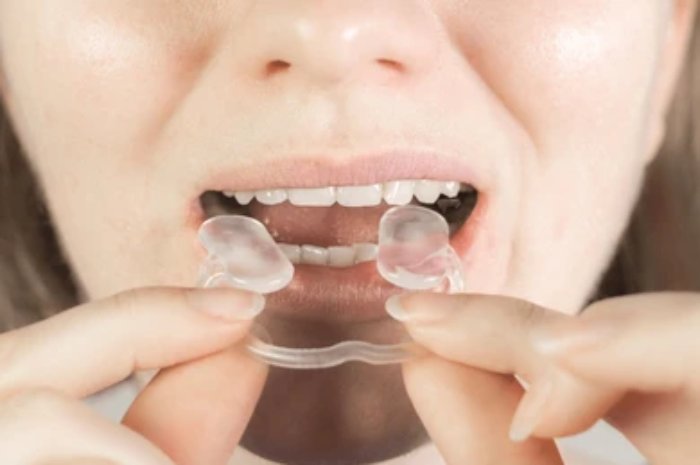
Mouth guards or bite splints can help prevent teeth grinding and reduce jaw clenching while you sleep. Vista Family Dentistry offers custom-made mouth guards to reduce pressure on the jaw and promote better alignment. This is one of the most effective TMJ headache treatment options available.
5. Practice Stress Reduction Techniques
Stress is a common trigger for TMJ flare-ups. Deep breathing, meditation, yoga, and regular exercise can reduce jaw tension and provide headache relief.
6. Try Over-the-Counter Medications
Nonsteroidal anti-inflammatory drugs (NSAIDs) such as ibuprofen can offer temporary pain relief during a TMJ flare-up. However, these should be used in moderation and not as a long-term solution.
What Causes TMJ Headaches?
TMJ headaches are caused by inflammation or tension in the muscles around the jaw joint. This tension often stems from jaw clenching and teeth grinding, which can occur both during the day and at night. Other contributing factors include:
- Injury to the jaw
- Arthritis affecting the jaw joint
- Misalignment of the bite
- Chronic stress
These causes lead to pain in the temporomandibular joint and the surrounding areas, including the face and head.
How to Get Rid of Headaches From Jaw Clenching
Jaw clenching is a common but unconscious habit that can lead to persistent TMJ pain and headaches. The best treatment plans to reduce jaw pain include:
- Becoming aware of daytime clenching habits
- Practicing relaxation exercises to relax your jaw muscles
- Wearing a night guard to prevent clenching during sleep
- Consulting your dentist for jaw pain treatment or other appropriate treatment options for TMJ
How Do You Calm a TMJ Flare-Up?
Flare-ups can be managed with a combination of rest, home care, and professional treatment. To calm a TMJ flare-up:
- Rest your jaw by eating soft foods and minimizing speaking
- Apply ice or heat as needed
- Take OTC pain relievers
- Avoid wide jaw movements like yawning or loud laughing
- Schedule a visit with Vista Family Dentistry for a personalized TMJ treatment plan
Professional Treatments for TMJ Headaches
If home remedies aren’t enough to relieve pain, a dental provider may recommend more advanced treatments such as:
- Physical therapy to improve jaw mobility
- Custom dental splints
- Occlusal adjustments to realign your bite
- Botox injections to relax the jaw muscles
- Surgery in severe TMJ cases
A dentist will diagnose TMJ and guide you toward the best treatment option to relieve TMJ symptoms and improve quality of life.
How TMJ Affects Your Head and What You Can Do for Headache Relief
Living with TMJ discomfort can be frustrating, especially when it leads to frequent headaches and disrupted daily activities. But understanding how TMJ affects your head and what you can do for headache relief is the first step toward managing your condition and improving your well-being.
TMJ dysfunction affects the muscles around your jaw, placing pressure on the head and leading to jaw pain and headaches. Fortunately, many treatment options for TMJ can reduce this pain and restore balance to your jaw movement.
Contact Vista Family Dentistry for TMJ Headache Relief
If you’re suffering from TMJ headaches and need expert care, Vista Family Dentistry is here to help. We specialize in diagnosing and treating TMJ issues and offer custom solutions that target the root cause of your pain.
Call us today at 262-717-9104 to schedule your consultation and begin your journey to relief from TMJ.
Relief and improved quality of life are within reach—don’t let persistent TMJ pain keep you from living comfortably.